What Is Neatlanta?
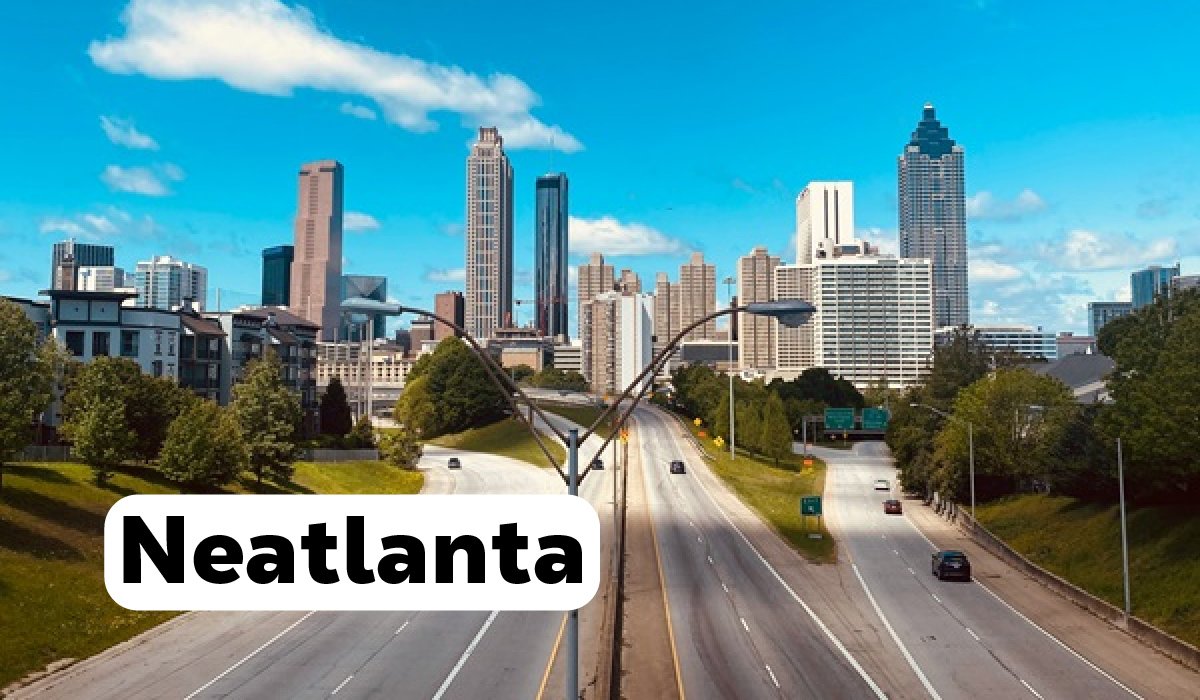
Neatlanta is a modern cultural and digital identity concept connected to Atlanta that blends urban evolution, creativity, sustainability, and community-led storytelling into one forward-looking narrative. It is not an official government term, not a newly incorporated municipality, and not a registered corporate brand. Instead, Neatlanta represents a symbolic rebranding of Atlanta’s future-focused urban identity—a way of describing how the city is evolving in spirit, infrastructure, and global perception.
The idea operates on two levels: first, as a cultural identity movement that highlights authentic neighborhood stories, artistic expression, and inclusive community growth; and second, as a smart-city or modern urban lifestyle concept that emphasizes walkability, green development, digital innovation, and connected living.
When people search “What is Neatlanta?”, “Neatlanta meaning,” or “Is Neatlanta real?”, they are often looking for clarity about whether this is a physical place or an idea. The answer is clear: Neatlanta is real as a concept—an evolving lens through which residents, creatives, and urban thinkers interpret Atlanta’s transformation in the 21st century.
The Origin and Evolution of the Term Neatlanta
Linguistic Breakdown
The term Neatlanta is formed by combining “neat” and “Atlanta,” but its meaning goes far beyond cleanliness or tidiness. In contemporary language, “neat” can imply polished, innovative, impressive, or forward-thinking, and when merged with Atlanta, it creates a word that suggests a refined yet dynamic version of the city. Like many internet-era keywords, Neatlanta appears to have emerged organically in digital discussions, blog content, and creative commentary rather than through formal announcement.
It reflects how modern urban identities are often shaped by language experimentation and grassroots storytelling. In the digital age, words evolve quickly through social media, SEO experimentation, and community adoption. Neatlanta fits this pattern perfectly: a flexible, memorable keyword that feels modern while still rooted in a recognizable geographic identity.
When Did the Term Start Appearing?
Neatlanta began appearing in blog usage, digital branding discussions, and SEO experiments as creators looked for fresh angles on Atlanta’s culture and development. Instead of repeating traditional narratives about nightlife or tourism, writers began exploring more nuanced perspectives about local identity, neighborhood revival, and community innovation. As a result, Neatlanta gained traction as a low-competition keyword with high storytelling potential.
Cultural commentators and digital marketers noticed that emerging urban labels often generate curiosity because they feel new and open to interpretation. Over time, repeated usage in online articles, lifestyle content, and creative projects helped solidify Neatlanta as an evolving concept rather than a passing phrase.
Why Emerging Urban Keywords Gain Popularity
Emerging urban keywords like Neatlanta gain popularity because they fill content gaps and satisfy search curiosity. In SEO strategy, low-competition keywords allow early adopters to build authority before a topic becomes saturated. Additionally, digital micro-branding trends encourage communities to craft their own narratives rather than rely on official tourism slogans.
When readers encounter a term like Neatlanta, they want to understand its meaning, relevance, and legitimacy. That curiosity drives clicks and engagement. As search engines reward original, informative content, well-structured articles about emerging ideas can quickly climb rankings, especially when they provide clarity, context, and balanced analysis.
Is Neatlanta a Real City or Concept?
Neatlanta is not a new city, not an officially registered brand, and not a government development project. It is a descriptive and cultural concept tied to Atlanta’s evolving identity. Atlanta has long been known for its resilience, diversity, and reinvention—from its central role in the civil rights movement to its influence on global music and film industries.
As cities grow and change, residents often seek modern reinterpretations that reflect current values such as sustainability, inclusivity, and innovation. Neatlanta answers that need by providing a framework through which people can describe Atlanta’s contemporary direction. Rather than replacing the city’s official identity, Neatlanta complements it by emphasizing forward-looking transformation while honoring historical roots.
Neatlanta as a Cultural Identity Movement
Community-Led Narratives
At its core, Neatlanta reflects grassroots storytelling and neighborhood pride. Across Atlanta, independent artists, community organizers, and small business owners contribute to a cultural ecosystem that thrives on authenticity. Social media amplification has allowed these local voices to reach wider audiences, creating a sense of shared identity beyond traditional media channels.
Neatlanta captures this collective narrative—where murals, pop-up markets, community festivals, and collaborative art projects become symbols of civic energy. Instead of relying on top-down branding, the movement grows from everyday experiences and shared pride in local neighborhoods.
Authentic Urban Lifestyle Representation
Unlike tourism campaigns that focus on major attractions alone, Neatlanta emphasizes real neighborhood experiences and creative entrepreneurship. It highlights independent cafés, local galleries, street art corridors, and community initiatives that shape daily life. This shift in storytelling reflects a broader global trend: audiences prefer authenticity over polished marketing. Neatlanta therefore represents an urban storytelling evolution, one that values lived experiences, cultural depth, and inclusive representation over surface-level imagery.
Urban Development & Smart Growth in Neatlanta
Walkability and Adaptive Reuse
Modern urban development plays a central role in the Neatlanta narrative, particularly through projects like the Atlanta BeltLine. The BeltLine demonstrates how adaptive reuse can transform former industrial corridors into green spaces, trails, and mixed-use developments that connect neighborhoods. Walkable streets, transit-connected districts, and public green corridors encourage healthier lifestyles and reduce car dependence. These elements reflect Neatlanta’s vision of smart growth: development that enhances community life rather than overwhelms it.
Smart City Innovation Trends
Neatlanta also aligns with broader smart-city trends such as data-driven transit, sustainable zoning, and tech-enabled governance. Innovations in traffic management, energy monitoring, and digital public services reflect a commitment to efficiency and environmental responsibility. By integrating green infrastructure and modern planning principles, Atlanta positions itself as a city that adapts to technological change while maintaining a human-centered design philosophy.
Sustainability and Environmental Vision
Green Architecture
Sustainability is central to the Neatlanta concept. Energy-efficient buildings, solar installations, and green roofs are increasingly visible in new developments. Architects and planners prioritize eco-friendly materials and smart climate systems to reduce environmental impact. These efforts not only lower carbon footprints but also enhance livability and long-term affordability for residents.
Urban Climate Resilience
Urban climate resilience includes stormwater management systems, tree canopy preservation, and reduced carbon commuting through transit improvements. By investing in climate-smart infrastructure, Atlanta strengthens its ability to manage future environmental challenges. Neatlanta thus represents not only aesthetic modernization but responsible, forward-thinking environmental planning.
Arts & Cultural Institutions Shaping Neatlanta
Arts and cultural institutions play a central role in shaping the identity of Neatlanta because they provide the creative foundation that defines how the city is seen locally and globally. Culture is not just entertainment in this context; it is economic power, community expression, and historical continuity. In Atlanta, museums, performance venues, public art programs, and cultural nonprofits serve as anchors that attract visitors while nurturing local talent.
These institutions create spaces where history, modern ideas, and diverse voices meet. Through exhibitions, concerts, festivals, and educational programs, they reinforce the idea that Neatlanta is not simply about urban growth or digital innovation, but about preserving creative authenticity while expanding global influence. Cultural institutions strengthen civic pride and ensure that Atlanta’s transformation remains rooted in artistic depth rather than superficial branding.
Visual Arts & Museums
Institutions like the High Museum of Art elevate Atlanta’s global cultural reputation by hosting internationally recognized exhibitions while also supporting regional artists. Museums and galleries act as cultural pillars that make art accessible to students, families, and tourists alike.
They help shape the Neatlanta identity by promoting inclusivity, education, and artistic dialogue. Public art installations across the city further enhance this reputation, turning streets and public spaces into open-air galleries that reflect community stories. By combining established institutions with grassroots art initiatives, Neatlanta demonstrates how traditional cultural spaces and modern creative expression can coexist. This blend of prestige and accessibility ensures that culture remains both celebrated and reachable for everyday residents.
Music Influence
Music is one of the strongest forces shaping Neatlanta’s cultural image, and artists such as OutKast, Future, and Childish Gambino have played a powerful role in building Atlanta’s global recognition. Their success extends far beyond charts and awards; it influences fashion trends, business ventures, film, and youth culture worldwide. Atlanta’s music scene is known for innovation, originality, and authenticity, which aligns perfectly with the spirit of Neatlanta.
Local studios, independent labels, and performance spaces create opportunities for emerging artists, ensuring that creativity continues to grow. Music not only strengthens cultural identity but also contributes significantly to the local economy through concerts, streaming revenue, tourism, and brand collaborations. In Neatlanta, music is both an artistic expression and an economic engine.
Film & Events
Major events such as the Atlanta Film Festival and Atlanta Pride highlight the city’s commitment to diversity, storytelling, and civic engagement. Film festivals attract international filmmakers, critics, and investors, strengthening Atlanta’s reputation as a growing production hub.
Pride events showcase inclusivity and community strength, reinforcing Atlanta’s position as one of the most welcoming cities in the American South. Festivals and public celebrations drive tourism, create temporary jobs, and boost small business revenue. They also provide platforms for underrepresented voices, encouraging dialogue and connection. Through these events, Neatlanta reflects a city that values both cultural celebration and economic vitality.
Key Neighborhoods Representing the Neatlanta Vision
Urban identity is best understood at the neighborhood level, where development, culture, and history intersect. Several Atlanta neighborhoods represent the Neatlanta vision through adaptive reuse, community energy, and balanced growth. These districts show how historic preservation and modern investment can work together to create vibrant, livable communities.
Old Fourth Ward
Old Fourth Ward stands as one of the strongest examples of adaptive reuse and creative redevelopment in Atlanta. Historically significant as the birthplace of Dr. Martin Luther King Jr., the area now blends heritage with innovation through projects connected to the Atlanta BeltLine. Former industrial spaces have been transformed into lofts, markets, restaurants, and art spaces. Public parks and walking trails promote healthier lifestyles and community interaction. Old Fourth Ward reflects Neatlanta’s ability to honor civil rights history while embracing economic revitalization and urban design improvements.
Castleberry Hill
Castleberry Hill is known for its artist studios, galleries, and monthly art walks that bring residents together. The neighborhood’s historic warehouse buildings have been converted into creative spaces, attracting painters, designers, and small businesses. Walkable streets and community-driven events make it a model for grassroots urban creativity. Castleberry Hill embodies the artistic core of Neatlanta, where economic activity and cultural identity move forward together.
West End & Sweet Auburn
West End and Sweet Auburn represent neighborhoods deeply connected to Atlanta’s civil rights legacy. Sweet Auburn was once known as one of the wealthiest Black business districts in the United States, while West End preserves historic architecture and strong community networks. Modern redevelopment efforts focus on balancing preservation with investment. These areas highlight how Neatlanta respects historical significance while planning for future opportunity.
Economic Growth and Startup Culture
Economic strength supports cultural vitality, and Neatlanta emphasizes a diversified and forward-looking economy. Atlanta’s economic growth is not limited to traditional industries but increasingly driven by technology, entrepreneurship, and creative ventures.
Tech Ecosystem
Atlanta’s fintech growth, startup incubators, and venture capital activity position the city as a competitive innovation hub in the Southeast. Universities and research institutions collaborate with private companies to foster talent and attract investors. Coworking spaces and accelerator programs provide mentorship and funding opportunities for entrepreneurs. Neatlanta represents this digital transformation by highlighting innovation as a key part of urban identity. Technology-driven opportunity allows Atlanta to compete with global cities while maintaining relatively affordable living compared to coastal tech hubs.
Creative Economy
The creative economy in Atlanta includes boutique retail, independent restaurants, art markets, film production, and music entrepreneurship. Small businesses contribute to neighborhood vitality and job creation. Cultural tourism brings visitors who seek authentic experiences rather than generic attractions. By supporting local entrepreneurship, Neatlanta reinforces resilience and community ownership. Economic growth in this context is not only measured by large corporations but by thriving local ecosystems.
Neatlanta and Digital Branding Opportunities
From an SEO and digital marketing perspective, Neatlanta presents strong branding potential because it remains an emerging keyword. Content creators can establish early authority by publishing detailed, informative articles before competition increases. Micro-niche urban storytelling allows bloggers to explore themes such as sustainability, culture, innovation, and neighborhood development under a unified concept. As search engines reward original and comprehensive content, early adoption of the Neatlanta keyword may lead to long-term ranking benefits.
Community Engagement and Inclusive Development
Inclusive development is essential for Neatlanta’s credibility. Participatory planning sessions, community benefit agreements, and support for minority-owned businesses ensure that growth benefits a wide range of residents. Neighborhood associations and civic groups play active roles in shaping redevelopment decisions. Inclusive growth reduces inequality and strengthens social cohesion. By promoting shared opportunity, Neatlanta aligns modernization with fairness and community empowerment.
Criticism and Challenges
Urban transformation inevitably brings criticism, and Neatlanta is no exception. Concerns about gentrification and displacement remain central to public debate. Rising property values can push out long-time residents if not managed carefully. Infrastructure strain from rapid growth also presents challenges, including traffic congestion and housing affordability pressures. Additionally, some critics argue that branding initiatives may oversimplify complex social realities. Addressing these issues transparently is crucial for maintaining trust and ensuring balanced development.
The Future of Neatlanta (2025–2035 Outlook)
Looking toward 2025–2035, Neatlanta’s trajectory will likely focus on climate-smart infrastructure, expanded public transit, and tech-enabled governance. Global comparisons with Singapore and Barcelona demonstrate how cities can integrate innovation with livability. Investments in renewable energy, green building standards, and digital public services may shape Atlanta’s long-term competitiveness. However, future success depends on maintaining cultural preservation alongside modernization.
Why Neatlanta Matters in Modern Urban Storytelling
Neatlanta reflects larger global trends in urban rebranding and digital-first identity creation. Cities today compete not only economically but culturally. Community ownership of narrative allows residents to shape how their city is represented. In the American South, metropolitan evolution involves balancing tradition with innovation. Neatlanta offers a framework that merges sustainability, creativity, and technological progress into a unified story.
Final Summary
Neatlanta represents a balanced and forward-looking interpretation of Atlanta’s evolving identity. It is neither an official government project nor a simple marketing slogan, but a cultural lens that combines innovation, sustainability, artistic strength, and community voice. By emphasizing inclusive development, economic diversification, and creative authenticity, Neatlanta captures how Atlanta continues to redefine itself. Whether it grows into a widely recognized movement or remains a niche digital concept, Neatlanta highlights the power of collective imagination in shaping the future of a modern city.
(FAQs) Frequently Asked Questions
1. What does Neatlanta mean?
Neatlanta is a modern cultural concept connected to Atlanta, Georgia. It describes a forward-thinking version of the city that combines creativity, sustainability, smart urban growth, and community pride. Neatlanta is not an official city name but a symbolic term that reflects Atlanta’s evolving identity.
2. Is Neatlanta a real city or a new development project?
No, Neatlanta is not a new city or a government project. It is a descriptive idea used to represent Atlanta’s modern transformation, including smart development, cultural growth, and neighborhood revitalization. It reflects how people see the future of Atlanta rather than a physical location.
3. How is Neatlanta different from Atlanta?
Atlanta is the official capital city of Georgia, while Neatlanta is a cultural and digital identity concept. Neatlanta focuses on innovation, sustainability, arts, technology, and inclusive development. It highlights the city’s future direction rather than its official administrative identity.
4. Why is Neatlanta becoming popular online?
Neatlanta is gaining attention because it represents a fresh and modern way to describe Atlanta’s growth. Bloggers and digital creators use the term to discuss smart city trends, creative neighborhoods, and urban storytelling. Its uniqueness and low competition make it attractive for SEO and branding.
5. What neighborhoods represent the Neatlanta vision?
Neighborhoods like Old Fourth Ward, Castleberry Hill, West End, and Sweet Auburn represent the Neatlanta vision. These areas combine historic preservation with modern redevelopment, creative spaces, walkability, and strong community identity, reflecting Atlanta’s balanced urban evolution.
For More Visit Deltamagazine