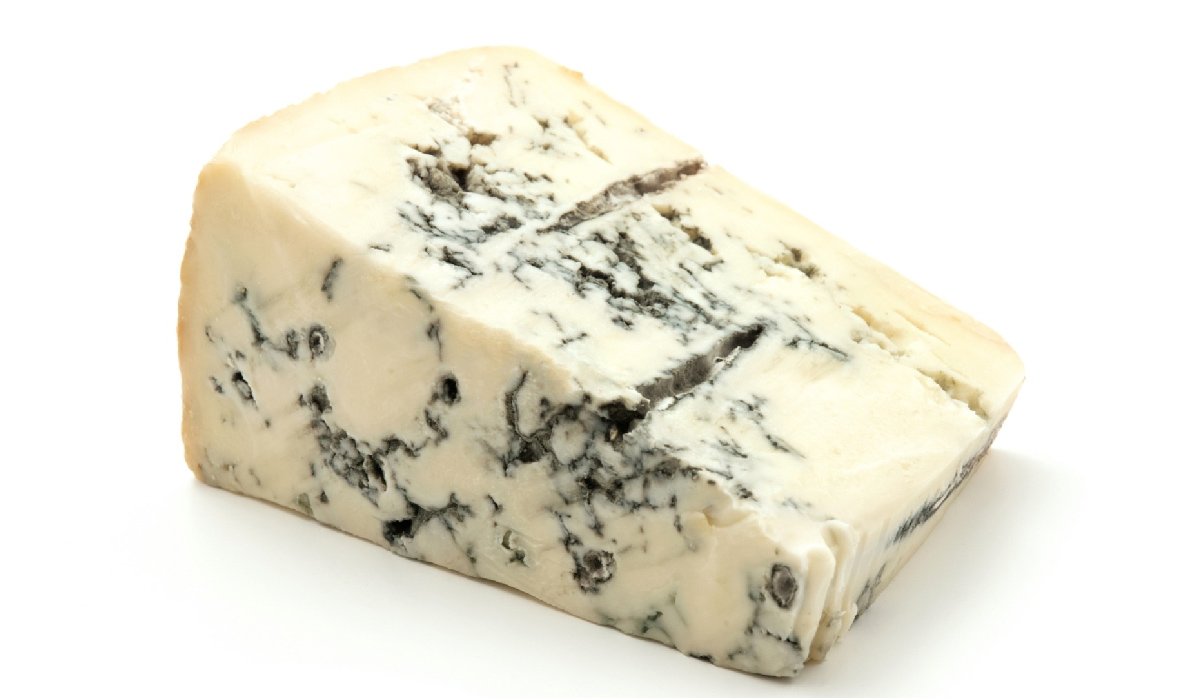
Masgonzola is quickly becoming one of the most talked-about cheeses among food lovers, chefs, and culinary explorers around the world. In simple terms, Masgonzola is a creamy fusion cheese made by blending mascarpone and gorgonzola, two famous Italian dairy creations. The result is a smooth, rich, and slightly tangy cheese that delivers the bold character of blue cheese with a softer and more approachable taste.
People are increasingly searching for Masgonzola because it offers the perfect balance between indulgent creaminess and traditional Italian flavor. Many blue cheeses can taste too sharp or intense for beginners, but Masgonzola solves this problem by combining the mild sweetness of mascarpone with the famous blue-veined character of gorgonzola. This makes it appealing to both experienced cheese enthusiasts and those who are just beginning to explore gourmet cheeses.
Masgonzola is deeply connected to Italy’s long tradition of artisanal cheesemaking. Italy has produced world-famous cheeses for centuries, and Masgonzola represents a modern interpretation of that heritage. Chefs and food lovers enjoy it because it melts beautifully, spreads easily, and enhances both simple and elegant dishes.
In this article, we will explore everything you need to know about Masgonzola, including its origins, flavor profile, production process, health benefits, popular recipes, and the best pairing ideas to enjoy this delicious cheese.
Masgonzola is a creamy Italian fusion cheese made by combining mascarpone and gorgonzola. It offers a smooth texture with a mild blue cheese flavor that is less intense than traditional blue cheeses. Inspired by Italian cheesemaking traditions, Masgonzola is widely used in pasta, sauces, pizzas, and many gourmet dishes.
The Origins of Masgonzola in Italian Cheese Culture
Italy has one of the richest cheese traditions in the world. For hundreds of years, Italian cheesemakers have perfected the art of transforming milk into a wide variety of cheeses that are now famous globally. Among these are well-known names such as mozzarella, parmesan, ricotta, and gorgonzola. Each cheese represents the culture, geography, and agricultural traditions of different regions of Italy.
Masgonzola draws inspiration from this deep heritage. The cheese is strongly connected to the Lombardy region in northern Italy, where gorgonzola originated. Lombardy has long been known for its fertile land, dairy farms, and skilled cheesemakers. The region’s climate and natural resources make it ideal for producing high-quality milk, which is essential for creating excellent cheese.
The idea behind Masgonzola came from the desire to create a blue cheese that would be easier for more people to enjoy. Traditional blue cheeses such as gorgonzola, roquefort, and stilton can sometimes be strong and pungent. While many cheese lovers appreciate these bold flavors, others prefer something milder and creamier.
By blending mascarpone with gorgonzola, cheesemakers created a product that retains the character of blue cheese while softening its intensity. This fusion approach reflects modern culinary creativity, where chefs experiment with traditional ingredients to produce new and exciting flavors.
Today, Masgonzola represents a beautiful balance between tradition and innovation. It honors Italy’s cheesemaking history while adapting to modern tastes and global culinary trends.
What Makes Masgonzola Different From Other Blue Cheeses
Masgonzola stands out from other blue cheeses because of its unique balance of flavor and texture. While traditional blue cheeses can be intense and crumbly, Masgonzola is known for its creamy consistency and mild taste.
One of the most natural comparisons is between Masgonzola and gorgonzola. Gorgonzola itself comes in two main styles: Gorgonzola Dolce and Gorgonzola Piccante. Gorgonzola Dolce is soft, creamy, and slightly sweet, while Gorgonzola Piccante is aged longer and develops a stronger, sharper taste. Masgonzola takes inspiration from these styles but becomes even creamier due to the addition of mascarpone. This results in a cheese that is smoother and more balanced.
Another famous blue cheese is Roquefort, which comes from France and is made from sheep’s milk. Roquefort is known for its strong aroma and sharp flavor. Compared to Roquefort, Masgonzola is much milder and less salty, making it easier for beginners to enjoy.
Stilton, an English blue cheese, is also quite different from Masgonzola. Stilton usually has a crumbly texture and a bold, earthy taste that can be overwhelming for some people. Masgonzola, on the other hand, remains soft and spreadable with a more delicate flavor.
Because of its mild taste and smooth texture, Masgonzola is often described as a beginner-friendly blue cheese. It introduces people to blue cheese flavors without the strong pungency that some varieties have.
Flavor Profile and Texture of Masgonzola
One of the reasons Masgonzola has gained popularity is its unique sensory experience. From its appearance to its aroma and taste, this cheese offers a delightful balance of flavors.
In terms of taste, Masgonzola is creamy and buttery with a gentle tanginess. It has the signature blue cheese flavor, but it is softer and more subtle than traditional blue cheeses. The mascarpone component contributes a mild sweetness that helps balance the stronger notes of gorgonzola.
The texture of Masgonzola is another key feature. It is smooth, velvety, and easily spreadable. This makes it perfect for spreading on bread, melting into sauces, or adding to creamy dishes. Unlike crumbly blue cheeses, Masgonzola has a rich consistency that feels luxurious on the palate.
The aroma is mild compared to other blue cheeses. While it still has the earthy and slightly pungent scent typical of blue-veined cheeses, the presence of mascarpone creates a softer dairy fragrance that many people find more pleasant.
Overall, the mascarpone element helps soften the intensity of the blue mold flavor. This creates a balanced cheese that feels rich and indulgent without being overwhelming.
How Masgonzola Cheese Is Produced
The production of Masgonzola involves several important steps that combine traditional cheesemaking techniques with modern culinary creativity.
The process begins with high-quality cow’s milk, which is essential for producing rich and flavorful cheese. Fresh milk provides the proteins, fats, and nutrients needed for the cheesemaking process.
Next comes curd formation, where cultures and rennet are added to the milk. These ingredients cause the milk to thicken and separate into curds and whey. The curds are carefully cut and handled to create the desired texture.
During the next stage, cheesemakers introduce Penicillium roqueforti, the beneficial mold responsible for creating the blue veins in blue cheese. This mold develops during the aging process and contributes to the cheese’s distinctive flavor.
What makes Masgonzola unique is the step where mascarpone is blended with the blue cheese base. This mixture creates a smooth, creamy consistency while balancing the strong blue cheese notes.
The cheese is then aged in controlled environments where temperature and humidity are carefully managed. During aging, the blue veins develop and the flavors become more complex.
The length of aging affects the final characteristics of the cheese. Shorter aging results in a milder flavor, while longer aging produces stronger and deeper notes. The aging process also influences the aroma and texture, making Masgonzola richer and more flavorful over time.
Nutritional Value and Health Benefits of Masgonzola
Masgonzola is not only delicious but also provides several nutritional benefits when enjoyed in moderation.
One of the main advantages of Masgonzola is its high calcium content. Calcium is essential for maintaining strong bones and teeth. Including calcium-rich foods in the diet helps support long-term bone health.
Masgonzola also contains protein, which plays an important role in muscle growth, tissue repair, and overall body function. Protein is especially important for maintaining strength and supporting recovery after physical activity.
The cheese also provides healthy fats, which help supply energy and contribute to satiety. These fats can help people feel fuller for longer periods.
Another benefit comes from the probiotics produced during fermentation. These beneficial bacteria can support digestive health by promoting a balanced gut microbiome.
Masgonzola also provides several important vitamins and minerals, including vitamin A, which supports vision and immune function, and vitamin B12, which is essential for nerve health and red blood cell production. Minerals such as phosphorus also contribute to bone health.
However, like many cheeses, Masgonzola should be consumed in moderation due to its fat and salt content. Balanced consumption allows people to enjoy its flavor while maintaining a healthy diet.
Popular Dishes Made With Masgonzola
Masgonzola is widely appreciated in cooking because of its versatility. Its creamy texture and balanced flavor make it suitable for many different types of dishes.
One of the most popular uses is in Masgonzola pasta, where the cheese melts into a rich sauce that coats the pasta perfectly. The creamy consistency creates a comforting and flavorful dish.
Another classic option is Masgonzola risotto. When added to risotto, the cheese blends with the rice to create a smooth and luxurious texture.
Masgonzola is also used on gourmet pizzas, where it pairs well with ingredients like caramelized onions, pears, walnuts, or prosciutto.
Many chefs enjoy using Masgonzola in creamy sauces that accompany meats, vegetables, or roasted dishes. It also works well in burgers, where it adds a rich and tangy flavor.
Chefs appreciate Masgonzola because it melts easily, has a balanced taste, and can enhance both simple and complex recipes.
5 Delicious Recipes Using Masgonzola
Masgonzola can transform ordinary dishes into gourmet experiences.
One popular dish is Masgonzola stuffed chicken breast, where creamy cheese is combined with herbs and stuffed inside tender chicken. The melted filling adds rich flavor and keeps the chicken moist.
Another delicious option is Masgonzola mushroom crostini. This appetizer combines sautéed mushrooms with creamy Masgonzola on toasted bread, creating a flavorful and elegant bite.
Creamy Masgonzola pasta is a comforting Italian dish where the cheese melts into a silky sauce. Garlic, cream, and herbs enhance the flavor while keeping the dish simple and satisfying.
A more luxurious meal is grilled steak with Masgonzola sauce. The creamy cheese sauce complements the savory flavor of the steak and adds depth to every bite.
Finally, Masgonzola salad dressing offers a unique way to enjoy the cheese. Mixed with olive oil and vinegar, it creates a rich dressing that pairs beautifully with fresh greens and vegetables.
Best Food Pairings With Masgonzola
Masgonzola pairs wonderfully with many foods because its creamy texture balances both sweet and savory flavors.
Fruits such as pears, figs, and grapes provide natural sweetness that complements the tangy notes of the cheese. These combinations are often used in cheese boards.
Nuts like walnuts, almonds, and pecans add crunch and enhance the richness of the cheese.
Bread options such as baguette, sourdough, and crackers are perfect for spreading Masgon zola and enjoying its creamy texture.
Cured meats including prosciutto and salami also pair beautifully with Masgonzola, creating a balance of salty and creamy flavors.
Best Wines and Drinks to Pair With Masgonzola
The creamy nature of Masgonzola makes it an excellent partner for many beverages.
Among red wines, Barolo, Merlot, and Cabernet Sauvignon complement the richness of the cheese with their bold flavors.
White wines such as Chardonnay and Sauvignon Blanc provide refreshing acidity that balances the creaminess.
Dessert wines like Moscato and Vin Santo offer sweetness that pairs beautifully with the tangy elements of the cheese.
Beer lovers can enjoy Masgonzola with Belgian ales, wheat beers, or stout, which provide contrasting flavors and textures.
How to Serve and Store Masgonzola Properly
Serving Masgonzola correctly helps highlight its flavor and texture.
It is best to bring the cheese to room temperature before serving. This allows the flavors to fully develop and the texture to become soft and spreadable.
Masgon zola can be served with bread, crackers, or as part of a charcuterie board with fruits and nuts.
For storage, the cheese should be wrapped in wax paper and placed in an airtight container in the refrigerator. This helps maintain its moisture and prevents it from absorbing other odors.
When stored properly, Masgon zola can remain fresh for one to two weeks.
Why Masgon zola Is Becoming Popular Worldwide
Masgonzola’s growing popularity is connected to several modern food trends. Gourmet cooking has become more accessible as people experiment with new ingredients at home.
Social media has also played a role. Beautiful cheese boards and gourmet dishes featuring Masgon zola often appear in food photography and online cooking content.
Restaurants and chefs appreciate Masgonzola because it allows them to create innovative dishes while still using traditional ingredients.
The rise of fusion cuisine has also contributed to its popularity. Masgon zola fits perfectly into modern cooking styles that blend classic flavors with new culinary ideas.
Masgon zola in Modern Culinary Culture
Today, Masgonzola appears in many parts of modern culinary culture. Gourmet restaurants use it to create elegant dishes, while artisan cheese markets showcase it as a specialty product.
Food festivals often feature creative recipes that highlight the versatility of Mas gonzola. Cooking shows and food blogs also introduce it to new audiences.
Its visual appeal, with creamy texture and blue marbling, makes it particularly attractive for social media food photography. This combination of flavor and appearance helps explain why Masgonzola continues to attract attention worldwide.
Final Thoughts
Masgonzola represents a fascinating blend of tradition and innovation within the world of cheese. By combining the creamy sweetness of mascarpone with the bold character of gorgonzola, it creates a unique product that appeals to a wide range of tastes.
Its Italian inspiration connects it to centuries of cheesemaking tradition, while its modern fusion approach reflects the creativity of contemporary cuisine. The cheese’s smooth texture, balanced flavor, and versatility make it suitable for many dishes, from pasta and pizza to salads and gourmet sauces.
Masgonzola also offers nutritional benefits such as protein, calcium, and beneficial probiotics when enjoyed in moderation. These qualities add to its appeal as both a flavorful and nourishing food.
As global interest in artisanal foods and innovative ingredients continues to grow, Mas gonzola is likely to remain a favorite among chefs and home cooks alike. For anyone who enjoys exploring new flavors while appreciating classic culinary traditions, Masgonzola truly deserves a place on the table.
(FAQs)
1. What is Masgonzola cheese?
Masgonzola is a creamy fusion cheese made by blending mascarpone and gorgonzola. It combines the smooth texture of mascarpone with the mild blue-cheese flavor of gorgonzola. The result is a rich, spreadable cheese that is easier to enjoy than stronger blue cheeses.
2. What does Masgonzola taste like?
Masgonzola has a creamy, buttery taste with a light tangy blue-cheese flavor. It is milder and smoother than traditional blue cheeses, making it perfect for people who want a gentle introduction to blue cheese.
3. How is Masgonzola used in cooking?
Masgonzola is very versatile in the kitchen. It can be used in pasta sauces, risotto, pizza, salads, burgers, and steak sauces. Because it melts smoothly, it is often used to make creamy gourmet dishes.
4. Is Masgonzola the same as Gorgonzola?
No, Masgonzola is different from Gorgonzola. Gorgonzola is a traditional Italian blue cheese, while Masgo nzola is a fusion cheese made by mixing mascarpone with gorgonzola. This makes Masgon zola creamier and less strong in flavor.
5. What foods pair best with Masgon zola?
Masgon zola pairs well with fruits like pears, figs, and grapes. It also tastes great with walnuts, almonds, crusty bread, and cured meats such as prosciutto. Many people also enjoy it with pasta, steak, and gourmet salads.
Read More: Babeltee: The Powerful New Tea Trend Changing Healthy Drinks
For more, visit Deltamagazine