Introduction
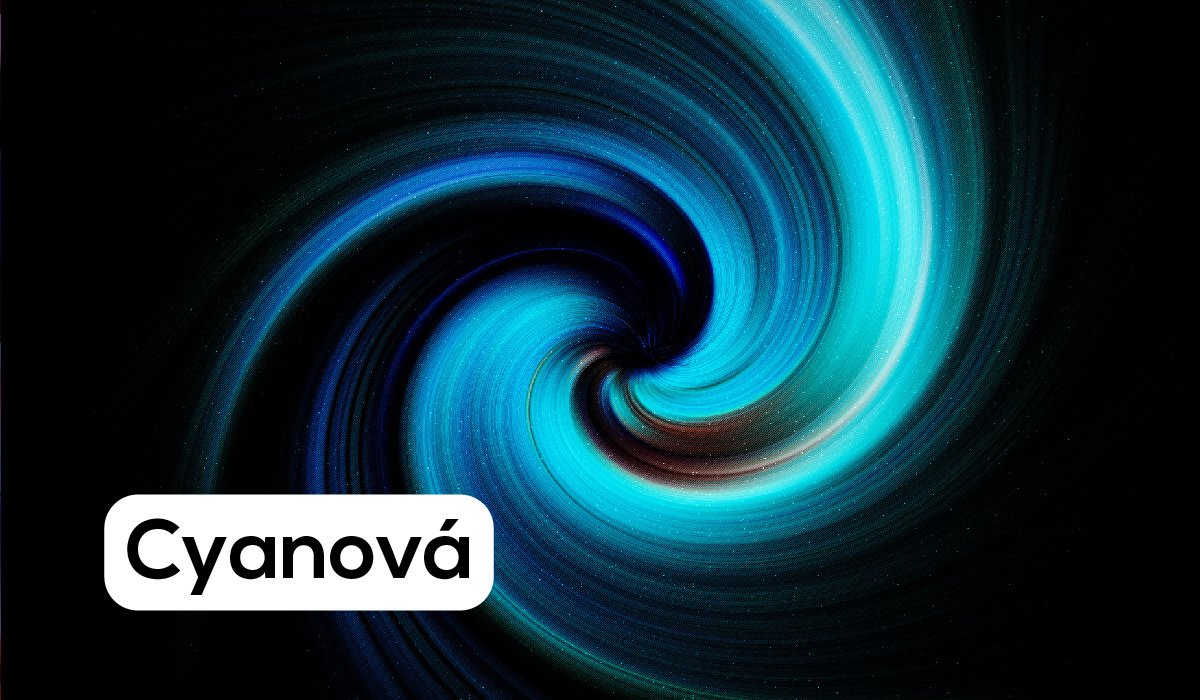
Cyanová is a refined blue-green hue positioned between blue and green on the visible light spectrum. It is closely related to the color cyan but usually appears slightly softer and more balanced in tone. The word combines “cyan,” which refers to a bright blue-green color, with the Slavic suffix “-ová,” often used to describe something characterized by a particular quality or color. While Cyanová is not an officially standardized color in scientific charts, it has evolved into a design and branding term used to describe a modern, calm, and visually intelligent shade.
Today, people search for Cyanová to understand whether it is simply a color variation or a broader aesthetic concept. In modern usage, it represents both a color and a visual philosophy. It is associated with clarity, innovation, and digital minimalism. Designers, branding experts, and digital creators use the term to describe a more refined and emotionally balanced version of cyan. This article explains its linguistic roots, scientific foundation, and how it differs from pure technical cyan.
The Meaning and Etymology of Cyanová
The origin of Cyanová begins with the Greek word “kyanos,” meaning dark blue. Over time, this word evolved into “cyan,” which became widely used in art, printing, and digital color systems to describe a bright blue-green shade. Cyan became one of the core primary colors in the CMYK printing model and a key element in digital RGB displays.
The suffix “-ová” comes from Slavic languages such as Czech and Slovak, where it functions as an adjectival ending, often indicating something that belongs to or is characterized by a certain quality. When combined, “Cyanová” literally suggests something that is cyan-colored. However, beyond grammar, the term has grown into a modern design expression. It now represents a more thoughtful and stylistic interpretation of cyan, especially in branding and digital environments.
The Scientific Foundation of Cyanová in the Color Spectrum
Scientifically, cyan sits in the visible light spectrum between approximately 490 and 520 nanometers. It lies between blue and green wavelengths, which is why it appears as a blend of both colors. In the RGB color model used for screens, cyan is created by combining green and blue light at full intensity. In the CMYK printing model, cyan is one of the primary ink colors used to produce a wide range of printed shades.
Pure technical cyan is often represented by the HEX code #00FFFF in digital systems. However, Cyanová usually refers to a moderated variation of this bright tone. It may include slight adjustments in saturation, brightness, or contrast to reduce visual intensity. In additive color systems like RGB, colors are formed by adding light. In subtractive systems like CMYK, colors are created by subtracting light using ink. Cyanová, while based on cyan, is typically refined to create a softer, more visually comfortable appearance.
Cyanová vs Pure Cyan – What Is the Real Difference?
Pure cyan (#00FFFF) is a technical color value used in digital and print systems. It is bright, highly saturated, and often intense. While effective for strong highlights or graphic emphasis, it can sometimes feel harsh or overly vibrant when used in large areas. Cyanová differs by introducing tonal moderation. Designers may slightly reduce saturation or adjust brightness to create a smoother and more elegant shade.
This moderation makes Cyanová feel softer and more premium compared to pure cyan. It improves visual comfort, especially in digital interfaces where users spend long periods looking at screens. Pure cyan is ideal for technical graphics and printing processes, while Cyanová is often preferred in branding, interior design, and user interface design, where emotional balance and subtle sophistication are important.
The Psychology of Cyanová and Emotional Influence
Cyanová combines the psychological strengths of blue and green into one balanced color experience. Blue is widely associated with trust, stability, logic, and professionalism. That is why banks, technology firms, and corporate institutions often use blue in their branding. Green, on the other hand, represents growth, renewal, harmony, and balance. It connects strongly with nature and well-being. When these two colors merge, Cyanová delivers a combined emotional impact that feels calm yet refreshing, stable yet innovative. This blend helps create mental clarity and improves focus, especially in environments where concentration is important.
Research in color psychology suggests that blue-green tones can lower stress levels and reduce emotional tension. Cyanová also supports creativity by providing a soothing background that allows ideas to flow without overstimulation. In digital environments, softer cyan tones reduce visual fatigue compared to highly saturated colors, making them suitable for long screen exposure. In workplaces, Cyanová can improve performance by promoting calm thinking, organized communication, and balanced decision-making.
Cyanová in Art History and Visual Culture
Blue-green shades similar to Cyanová have appeared throughout art history. Ancient civilizations used mineral pigments that produced turquoise and cyan-like tones in murals, ceramics, and decorative objects. These colors often symbolized water, sky, fertility, and spiritual balance. During the Renaissance, artists experimented with new pigments that allowed them to create richer and more luminous blue-green shades. These tones were used to add depth, atmosphere, and emotional subtlety in paintings.
In modern art, cyan and blue-green variations became popular in abstract and expressionist movements, where artists used color to communicate emotion rather than realism. Digital art and graphic design further expanded the use of cyan-based tones because of their clarity on screens. In paintings, blue-green shades often symbolize peace, distance, introspection, or transformation. Artists prefer these tones because they are versatile, emotionally expressive, and visually harmonious when combined with both warm and cool colors.
Cyanová in Modern Branding and Digital Identity
In modern branding, color plays a powerful emotional role, and Cyanová supports emotional branding principles by communicating clarity, innovation, and reliability. Startups often choose cyan tones because they want to appear modern and trustworthy without looking traditional or outdated. In SaaS and fintech industries, Cyanová is frequently used to balance professionalism with approachability. Trust-building color strategies rely on tones that reduce user anxiety, especially in platforms dealing with financial data or sensitive information.
In UI and UX design, Cyanová offers strong advantages because it maintains good contrast against both light and dark backgrounds. It works especially well in dark mode interfaces, where it remains visible without being harsh. Designers also use Cyanová to improve visual hierarchy by highlighting buttons, links, or important elements. When used for call-to-action buttons, it can attract attention in a calm and controlled way, improving engagement without creating visual pressure.
Cya nová as a Strategic Branding Philosophy
Beyond being a color choice, Cyanová can function as a strategic branding philosophy focused on minimalism and clarity. It reflects quiet authority in design, meaning brands do not need loud visuals to appear confident. Emotional restraint is central to this philosophy, as it avoids excessive decoration and focuses on simplicity. Modern tech companies use Cyanová-inspired palettes to position themselves as intelligent, forward-thinking, and product-focused.
In product-led branding systems, color consistency supports user trust and strengthens brand recognition. When color aligns with messaging tone, typography, and user experience, the brand feels cohesive and intentional. Investors and stakeholders often associate clean and balanced design with operational maturity and long-term thinking. As a result, Cyanová is not only visually appealing but also strategically powerful in shaping perception, reinforcing credibility, and supporting modern digital brand identity.
Cyanová in Interior Design and Architecture
Cyanová works beautifully in interior design and architecture because it creates balance between freshness and calm. It is often used for accent walls to add character without overwhelming a space. In minimalist design styles, especially Scandinavian interiors, Cyanová pairs well with white walls, light wood, and simple furniture. The color interacts strongly with lighting; in natural daylight it appears airy and soft, while in artificial lighting it can look deeper and more refined.
Cyanová also affects how people perceive space. Lighter tones can make small rooms feel open and larger. It is commonly used in wellness spaces such as yoga studios, spas, and therapy rooms because it supports relaxation. In office productivity spaces, Cyanová helps maintain focus while reducing visual stress, making it ideal for modern work environments.
Cyanová in Fashion and Beauty Trends
In fashion and beauty, Cyanová appears regularly in runway collections because it feels modern yet timeless. Designers often introduce it during spring and summer seasonal color shifts when fresh and cool tones are popular. In makeup palettes, Cyanová-inspired shades are used in eyeshadows and eyeliners to create bold but balanced looks. Nail colors in blue-green tones are also trending because they stand out without appearing too bright.
Accessories such as bags, scarves, and shoes often use Cyanová as a statement piece paired with neutral combinations like beige, white, black, or gray. Street style has adopted the shade because it feels expressive but wearable. Celebrity influence further increases its popularity, especially when public figures wear Cyanová pieces at events or in social media campaigns.
Cultural and Symbolic Meaning of Cyanová Worldwide
Cyanová carries different meanings across cultures while keeping a strong connection to nature. In Western symbolism, blue-green tones represent clarity, innovation, and emotional stability. In many Eastern interpretations, similar shades are associated with renewal, balance, and spiritual calm. The color naturally connects to water and sky, which makes it feel peaceful and universal. In some healing traditions, blue-green tones are linked to emotional restoration and communication.
In modern society, Cyanová is also connected with technology because of its frequent use in digital interfaces and tech branding. It represents sustainability and environmental awareness when used in eco-focused messaging. Across cultures, Cyanová consistently communicates harmony and balance, making it a globally adaptable color.
Cya nová in Sustainable Design and Eco Innovation
Sustainability has increased the relevance of Cyanová in design and innovation. Scientists are developing bio-based cyan pigments from natural sources such as algae and cyanobacteria to reduce chemical impact. These algae-derived pigments provide alternatives to traditional synthetic dyes. Low-toxicity dyes are now used in textiles and packaging to lower environmental harm. Sustainable packaging trends often include blue-green tones because they visually connect with environmental responsibility.
In green building aesthetics, Cyanová supports clean and energy-efficient design themes. Renewable energy companies frequently use similar shades in branding to communicate clarity and environmental commitment. As a result, Cyanová is not only visually appealing but also aligned with eco-conscious communication strategies.
Digital Performance and Accessibility Benefits of Cyanová
Cyanová performs well in digital environments because of its strong visibility and balanced brightness. It improves screen readability when used correctly, especially against dark or neutral backgrounds. Softer cyan tones reduce eye strain compared to extremely bright colors, making them suitable for long periods of screen use. Accessibility guidelines such as WCAG require proper contrast ratios, and Cyanová can meet these standards when paired carefully with background colors.
In data visualization, it helps distinguish categories clearly without causing confusion. Designers use Cyanová for notification design because it attracts attention without signaling danger. It is also effective in interaction feedback design, such as hover states and active buttons. Modern UI systems favor Cyanová because it adapts well across devices and screen types.
Industries Where Cya nová Is Most Effective
Several industries benefit strongly from using Cyanová. SaaS platforms use it to create clean dashboards and user-friendly interfaces. AI startups choose it to represent innovation and intelligence without appearing cold. In fintech, Cyanová builds trust while distancing brands from traditional banking colors.
Health-tech companies use blue-green tones to signal precision and care. Environmental brands adopt it to emphasize sustainability and natural harmony. Creative agencies prefer it for its modern and adaptable character. Luxury minimal brands use Cyanová to express quiet elegance and subtle sophistication. Educational platforms also benefit because the color supports clarity and concentration in learning environments.
Advantages and Limitations of Using Cya nová
Cyanová offers several advantages in branding and design. It supports trust perception by combining the reliability of blue with the balance of green. Its modern appeal makes brands appear forward-thinking. The color provides strong visual clarity and works well in both print and digital formats. It also creates emotional balance by being calming yet refreshing. However, there are limitations. Overuse can make a brand feel sterile or overly minimal. If many companies adopt similar tones, trend saturation may reduce uniqueness. Misuse without proper palette support can lead to weak differentiation. For best results, Cyanová requires careful color balancing and strategic application.
How to Use Cyanová in Your Own Brand or Creative Project
Using Cyanová effectively requires thoughtful planning. Palette balancing tips include pairing it with neutrals such as white, charcoal, or beige to maintain harmony. Complementary colors like soft coral or muted orange can add contrast without overpowering it. Clean typography pairing strengthens its clarity and modern feel. Gradient strategies can add depth by blending Cyanová with lighter blue or green tones. Motion design integration, such as smooth animations, enhances its calm personality. On websites, Cyanová works well in headers, buttons, and highlight sections. Packaging suggestions include matte finishes to enhance its premium look. Social media aesthetic consistency ensures strong visual recognition across platforms.
Future Trends
Future branding trends suggest that Cyanová will remain relevant. Post-AI branding focuses on clarity and emotional intelligence, which align well with blue-green tones. The calm tech movement supports softer digital palettes that reduce overstimulation. Minimal digital interfaces are replacing cluttered designs, increasing demand for balanced colors. The sustainability shift also supports nature-inspired tones like Cyanová. Emotional design evolution emphasizes feelings over loud visuals, further strengthening its appeal. Long-term forecasts beyond 2026 suggest continued simplification of visual identity systems. As brands move toward cleaner and more thoughtful aesthetics, Cyanová is positioned to remain influential.
Final Conclusion
Cyanová is a refined blue-green hue that blends scientific balance with emotional depth. It combines the stability of blue and the growth symbolism of green to create a modern and adaptable color identity. Its strength lies in clarity, calm authority, and digital performance. Across interior design, fashion, branding, sustainability, and technology, Cyanová proves its versatility and relevance. It reflects cultural harmony and supports future-focused innovation. As visual communication becomes more intentional, Cyanová stands out as a color of modern visual intelligence. Its balance between science and emotion makes it not just a trend, but a strategic choice for long-term impact.
FAQs
1. What is Cyanová?
Cyanová is a refined blue-green color that sits between blue and green on the visible light spectrum. It is inspired by the color cyan but usually appears softer and more balanced. In modern design, Cyanová is used not only as a color term but also as a branding and aesthetic concept that represents clarity, trust, and innovation.
2. Is Cyanová different from pure cyan?
Yes, Cyanová is slightly different from pure cyan. Pure cyan is a technical digital color often shown as #00FFFF. Cyanová is usually a moderated version of cyan, with softer saturation and better visual balance. This makes it more comfortable for branding, interior design, and digital interfaces.
3. What emotions does Cyanová create?
Cyanová creates feelings of calmness, focus, and clarity. Because it combines blue (trust and stability) with green (growth and balance), it helps reduce stress and improve concentration. That is why it is often used in offices, digital platforms, and wellness spaces.
4. Why do tech and SaaS companies use Cyanová?
Tech and SaaS companies use Cyanová because it looks modern, clean, and professional. It builds trust like blue but feels more innovative and fresh. It also performs well on digital screens and works smoothly in both light mode and dark mode designs.
5. Is Cyanová good for website design?
Yes, Cyanová is excellent for website design when used correctly. It improves readability, reduces eye strain, and highlights important elements like buttons and links. When combined with neutral colors, it creates a clean and professional look that supports user engagement and brand trust.
Read More: Pomerusky Guide: Amazing Facts, Care Tips & Honest Truth
For More Visit Deltamagazine