

Introduction
If you have recently searched for Chromtex, you probably noticed that the term appears in multiple industries and contexts, which makes it both intriguing and slightly confusing. Chromtex is discussed in the pigment industry, where it is often associated with high-performance chromium oxide green materials.
It also shows up in textile and fabric markets as a brand or specialty material known for durability and color stability. In addition, industrial coatings manufacturers mention Chromtex when talking about long-lasting finishes, and some emerging discussions even link it to advanced composite materials. Because of this wide usage, many people are unsure what Chromtex actually refers to. Is it a pigment? A fabric? A chemical compound? A trademark?
This detailed guide will clarify everything. We will explore the definition of Chromtex, its different types and interpretations, its uses across industries, its technical benefits, comparisons with standard chrome pigments, environmental safety considerations, packaging and supply formats, and the future outlook of Chromtex in 2026 and beyond.
What Is Chromtex?
Chromtex is a term used in multiple industries, most commonly referring to a high-performance chromium oxide green pigment or a specialty textile material known for durability and color stability. Its exact meaning depends on the industrial context in which it is used, but it consistently relates to performance, stability, and long-term reliability.
Many people ask direct questions about Chromtex, so let’s clarify them. Yes, Chromtex is widely used as a pigment, especially in industrial and construction applications. Yes, Chromtex can also refer to a textile or fabric brand that emphasizes strength and color fastness.
It is also associated with chemical materials, particularly chromium-based compounds. In some cases, Chrom tex may function as a trademarked name used by specific manufacturers. The key takeaway is that Chromtex represents high-performance material solutions, whether in pigment or textile form.
Chromtex as a Chrome Oxide Green Pigment
Chemical Composition
When Chromtex refers to pigment, it is typically based on Cr₂O₃, also known as Chromium(III) oxide. This compound is an inorganic pigment that is valued for its stability and strong green coloration. Unlike organic pigments, inorganic pigments such as chromium oxide are highly resistant to chemical breakdown, UV radiation, and temperature extremes.
Chrom tex pigments are often manufactured with a fine-milled structure, meaning the particles are processed to achieve consistent and controlled sizes, which improves performance in coatings and materials.
Key Properties
Chromtex pigment is recognized for its high hiding power, which means it can effectively cover surfaces with minimal layers. It also offers strong UV resistance, making it suitable for outdoor applications where sunlight exposure would normally fade inferior pigments. Its chemical stability allows it to withstand acids, alkalis, and environmental pollutants without degradation.
Additionally, it has excellent heat resistance, which makes it useful in ceramic, glass, and industrial coatings applications. The fine particle dispersion ensures smooth mixing in paints, plastics, and cement-based products, leading to consistent coloration and surface finish.
Why Fine Milling Matters
Fine milling is not just a technical detail; it significantly affects performance. Smaller and more uniform pigment particles provide better color intensity, meaning manufacturers can achieve vibrant shades using lower quantities of material. This reduces overall production cost and improves efficiency. Fine milling also ensures smoother finishes in paints and coatings, reducing streaks, clumping, or uneven patches. In construction and architectural coatings, this results in a more professional and durable appearance.
Chromtex vs Standard Chrome Pigments
Composition Differences
One major difference between Chromtex and some standard chrome pigments lies in composition. Chrom tex pigments are typically based on pure chromium oxide, whereas traditional chrome pigments may include lead chromates, particularly in yellow and orange shades. Lead chromates have historically been popular for their brightness, but are increasingly restricted due to health concerns.
Environmental Safety Comparison
Environmental safety is one of the biggest advantages of modern Chromtex formulations. Pure chromium oxide green is lead-free, which significantly reduces heavy metal risks. In regions such as the United Kingdom and across Europe, regulations such as REACH strictly limit hazardous substances in industrial materials. Chrom tex pigments designed to comply with modern standards are considered safer for industrial use compared to older chrome pigments containing lead compounds.
Performance Comparison Table
| Feature | Chrom tex | Standard Chrome Pigment |
|---|---|---|
| Color intensity | High | Moderate |
| Dispersibility | Excellent | Variable |
| Environmental safety | Lead-free | Often restricted |
| Durability | Very strong | Depends on type |
| Regulatory compliance | Modern-friendly | Increasingly limited |
This comparison clearly shows why Chrom tex is often preferred in regulated markets.
Applications of Chromtex Pigment
Paints and Coatings
Chromtex pigment is widely used in architectural coatings, industrial primers, and marine coatings. Its UV stability ensures that exterior walls, metal structures, and ships maintain their color over time. In industrial environments, resistance to chemicals and weathering makes it highly reliable.
Construction Materials
In the construction sector, Chromtex is used in concrete tiles, roofing materials, and colored cement products. Its resistance to fading and environmental stress ensures that buildings retain their aesthetic appeal for years without requiring frequent repainting or restoration.
Plastics and Rubber
Chromtex pigment is also applied in injection molding and outdoor plastic products. Plastic garden furniture, playground equipment, and automotive components benefit from its color stability and resistance to sunlight exposure.
Glass and Ceramics
In ceramic frits, enamels, and colored glass production, Chrom tex performs exceptionally well due to its high thermal resistance. It can endure firing temperatures without losing intensity or structural integrity.
Chromtex in the Textile and Fabric Industry
Chromtex as a Fabric Brand
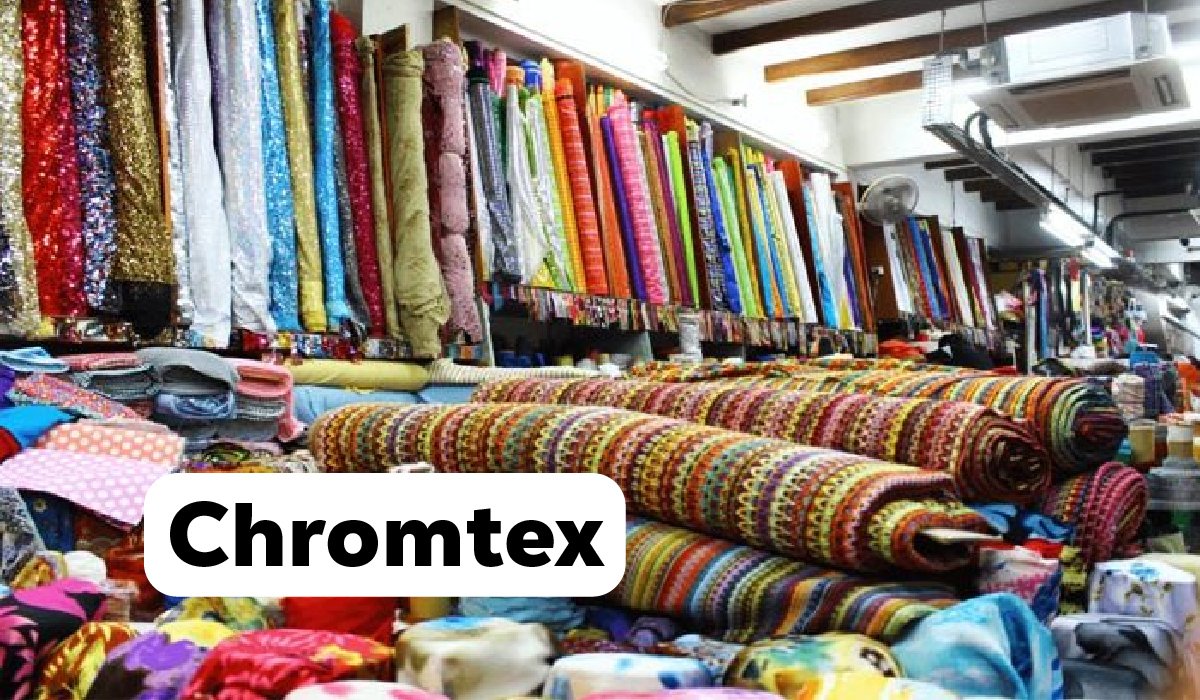
Beyond pigments, Chromtex may refer to a textile brand or specialty fabric line. In this context, it is associated with performance textiles, upholstery fabrics, and uniform materials that prioritize durability and color retention.
Key Fabric Features
Chromtex fabrics are often valued for color fastness, meaning they resist fading after repeated washing or exposure to sunlight. They are typically engineered for wash resistance, breathability, and long-term durability, making them suitable for both residential and industrial use.
Home Textile Applications
In home textiles, Chromtex materials can be found in bedsheets, curtains, cushion covers, and upholstery. Their smooth texture and fade resistance make them appealing for interior design applications where longevity is important.
Industrial Textile Uses
Industrial uses may include protective coverings, conveyor belts, and filtration fabrics. In these environments, strength and resistance to wear are critical, and Chrom tex materials are designed to meet those demands.
Advanced Material & Composite Interpretation of Chromtex
Composite Structure Concept
Some discussions describe Chromtex as a composite material innovation involving layered matrices and enhanced strength-to-weight ratios. While this interpretation is less common than pigment or textile usage, it reflects the broader trend of branding advanced engineered materials under distinctive names.
Emerging Applications
In conceptual discussions, Chromtex-like materials may be associated with automotive, aerospace, renewable energy, and medical device sectors. However, such applications depend on specific manufacturers and should be verified on a case-by-case basis.
Environmental and Regulatory Considerations
REACH and UK Compliance
Lead chromate pigments are increasingly restricted under European and UK regulations. Modern Chrom tex pigments formulated without hazardous additives are better aligned with compliance requirements. This makes them more suitable for companies operating in tightly regulated markets.
Sustainability Trends
Sustainability trends are influencing both the pigment and textile industries. Eco-friendly dyeing processes, reduced heavy metal content, and improved recycling potential are becoming priorities. Chromtex products that meet these expectations are better positioned for long-term industry acceptance.
Packaging and Industrial Supply
Chromtex pigments are typically supplied in 25 kg bags for manageable industrial use or 1000 kg big bags for bulk manufacturing operations. Distribution channels include specialty chemical suppliers, industrial distributors, and direct manufacturer partnerships. Textile versions of Chrom tex are distributed through fabric wholesalers and industrial textile suppliers.
Advantages of Chromtex
-
High color strength
-
Excellent dispersion
-
Strong UV stability
-
Chemical resistance
-
Lead-free safer formulations
-
Long service lifespan
These advantages explain why Chromtex is preferred in demanding industrial environments.
Disadvantages or Limitations
Despite its strengths, Chromtex may have slightly higher upfront costs compared to lower-grade pigments. The pigment version typically offers a limited color range, focusing mainly on green shades. Proper dispersion techniques are required during manufacturing to maximize performance, which may require experienced handling.
How to Choose the Right Chromtex Product
Selecting the right Chromtex product depends on your application type, budget, environmental requirements, performance expectations, and regulatory location. For outdoor coatings, UV resistance is critical. Textile use, focus on wash durability, and fabric blend. For regulated markets, ensure compliance documentation is available from suppliers.
Future Outlook of Chromtex (2026–2030)
The future of Chromtex appears strong, particularly in eco-safe pigment development and sustainable textile innovation. Increased regulation on heavy metals will continue to push industries toward safer chromium oxide solutions. Advances in smart materials and composite technologies may expand the interpretation of Chrom tex into high-performance engineered products. Growth in renewable energy infrastructure and durable construction materials will further increase demand for stable, weather-resistant pigments like Chrom tex.
Final Verdict
Chromtex stands out as a reliable and high-performance solution in both the pigment and textile industries. It is especially valuable for applications requiring durability, color stability, and regulatory compliance. While it may cost slightly more than lower-grade alternatives, its long lifespan and consistent performance often justify the investment. In regulated markets and performance-focused industries, Chrom tex remains a strong and dependable choice, and its role in sustainable material innovation continues to grow.
(FAQs) Frequently Asked Questions
1. What is Chromtex?
Chromtex is a high-performance material used mainly as a chromium oxide green pigment in paints, coatings, plastics, and construction materials. In some markets, Chromtex also refers to durable textile fabrics known for strong color stability and long-lasting performance.
2. What is Chromtex used for?
Chromtex is used in architectural paints, industrial coatings, colored concrete, plastics, ceramics, and glass production. In textiles, it may be used for upholstery, uniforms, and home fabrics. Its main purpose is to provide strong, fade-resistant color and long-term durability.
3. Is Chromtex a safe pigment?
Yes, modern Chromtex pigment, based on chromium(III) oxide (Cr₂O₃), is generally considered safe for industrial use when handled properly. It is typically lead-free and designed to comply with environmental regulations such as REACH in Europe and UK chemical safety standards.
4. Does Chromtex contain lead?
Most modern Chromtex products do not contain lead. Unlike older chrome pigments that used lead chromates, Chromtex usually relies on pure chromium oxide formulations. However, buyers should always check technical data sheets to confirm composition and regulatory compliance.
5. Is Chromtex better than standard chrome pigments?
Chromtex often performs better than traditional chrome pigments because it offers stronger UV resistance, better color intensity, improved dispersion, and safer environmental compliance. It is especially preferred in regulated markets where lead-based pigments are restricted or banned.
Read More: Pxless: Complete Guide to Pixel-Free Design, Security, and Modern Digital Systems (2026)
For more, visit Deltamagazine
